Field Surgeon Military - There are hundreds of surgeons in the military, as well as several medical specialists. Surgeons care for the wounded, and their duties are similar to those of civilians. After graduation, army surgeons receive advanced medical training.
They study medicine for four years and obtain a medical degree. The Army operates 14 Basic Combat Training (BCT) sites for medical students. These locations are on four continents. When you're a colonel, your career options are limited.
Field Surgeon Military
 Source: api.army.mil
You can switch to other specialties such as urology, orthopedics or plastic surgery, but you will need additional training to become a general surgeon again. Fortunately, the revolution in 1917 and the coming to power of the communists did not prevent Oppel from continuing the development of this industry and organizing educational institutions for the systematic training of specialists of this profile.
How Long Does It Take To Become A Surgeon In The Army?
To become a surgeon in any branch of the military, you must have a medical degree from a medical school (awarding a Doctor of Medicine or M.D. degree) or an osteopathic college (awarding a Doctor of Osteopathic degree or D.O. degree).
). Admission to medical and osteopathic schools is highly competitive, generally requiring a bachelor's degree in science or mathematics, a minimum grade point average (GPA) of 3.5, and a good score on the Medical College Admission Test (MCAT).
Welcome to another episode of So You Want to Be. In this series, we highlight a specific specialty or discipline, such as being a military doctor, and help you decide if it's right for you. For more specialties, check out our "So Want To Be" tag.
The most obvious disadvantage is that you won't have a choice in where to go to medical school - you'll have to go to USUHS in Bethesda, Maryland. Also, the payback period is longer than HPSP at an average of 7 years.
Who Should Consider Military Medicine?
Generally, most surgeons enter the military as general surgeons, and becoming an officer can take anywhere from two to three and a half years of basic training (or AIT, Advanced Individual Training), depending on the number of applicants for the job.
 Source: media.defense.gov
vacancies After graduating from AIT you will have to wait at least two years to become a first lieutenant. At the beginning of the First World War, surgeons in the British and French armies began to actively practice surgical intervention in the treatment of most wounds.
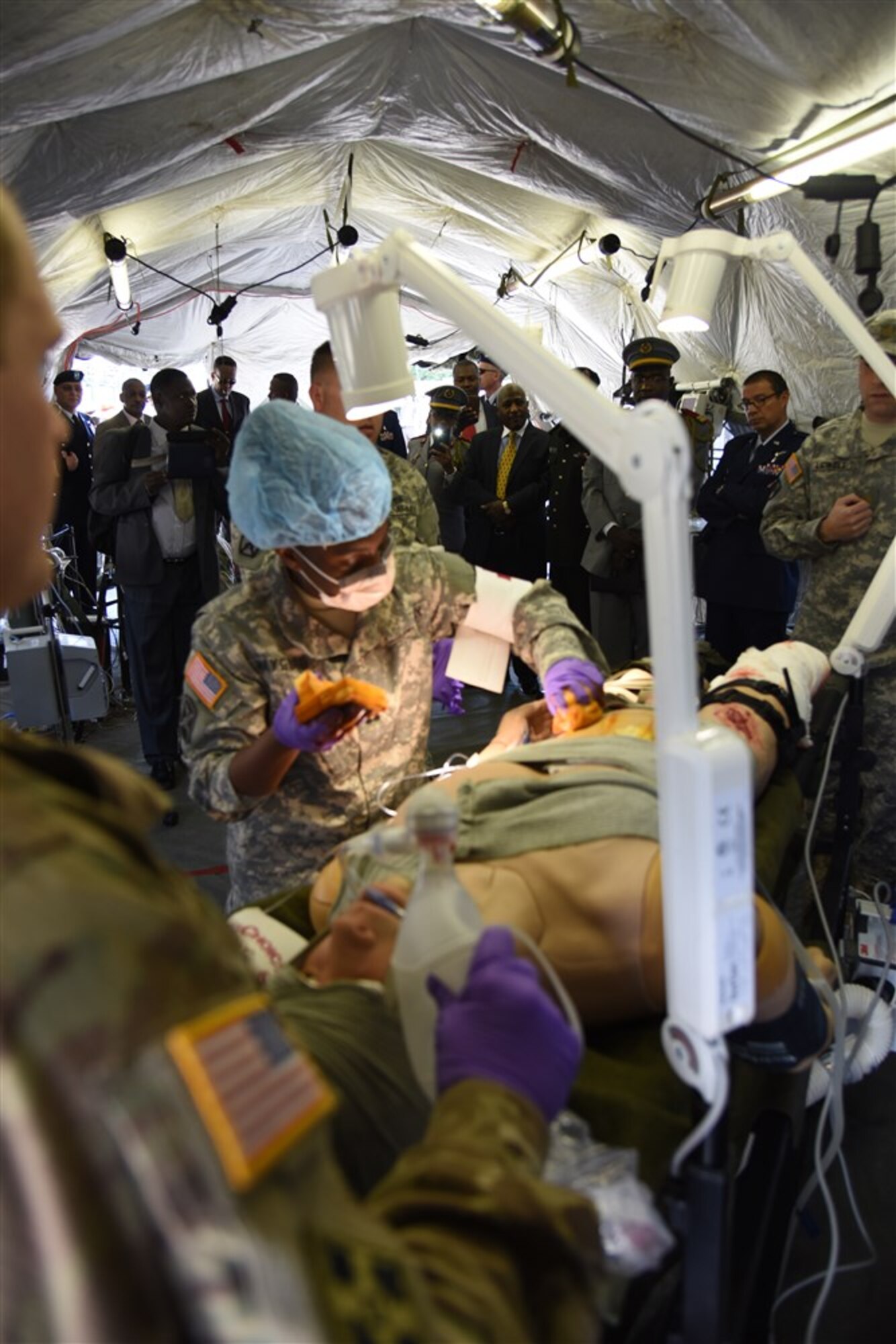
This was done to remove the damaged tissue, which was causing infection due to disintegration. The number of casualties from injuries began to decrease. A battlefield surgeon is a doctor with specialized training in emergency medicine and trauma medicine.
In the military, pay grade (or pay grade) is determined by years of service, not job title. Thus, a field surgeon's salary is similar to what an officer of the same rank earns, although bonuses and incentives may be added to the base salary.
Inflexible Practice Location
In the latter, the well-known military doctor A. Charukovskis, based on Pare and Ledran's findings and his own observations, described in detail the characteristics of gunshot wounds and gave quite progressive (for the time) advice. their treatment.
In most cases, military surgeons start out as soldiers and then receive special training as military surgeons. The reverse can also happen where a surgeon joins the army as a surgeon and then receives military training.
A passion for healing the wounded can also be the main reason someone joins the military. As an orthopedic surgeon in the Army Reserve, you will be part of an elite medical team serving our nation's defense forces.
This is a part-time job that will allow you to go back and help others without leaving your day job. You will join other medical professionals with diverse skills in caring for the health and well-being of the men and women who serve our country.
 Source: www.army.mil
History Of The Wwii In Ancient Times
Military medicine is definitely not for everyone. Here's how you can decide if it's right for you. First, consider the cons. If any of these things prevent you from making the deal, it's probably not a good match.
As a military doctor, you have little control over where you will live and where you will practice medicine. While you can certainly apply, it's ultimately up to the military to decide where you're most needed.
Field doctors and surgeons perform medical examinations and treatments related to specific environmental conditions (eg, diving and marine operations, flight operations). They can also provide emergency care to wounded and injured soldiers. These doctors and surgeons may have to live and work in a combat environment.
Surgery as an independent medical discipline in the 19th century. It was formed only in the 19th century during the period of military operations, the phenomenon itself appeared long before our time. Indeed, military history throughout the world chronicles the relief of the dead.
Vph In The Xix Century
Military personnel are calculated by pay grade and years of service, depending on the unit in which an individual serves. Therefore, the salary of an Army medical officer and the salary of an Air Force doctor are the same for comparable rank and experience.
The Defense Finance and Accounting Service offers pay tables online. To use the salary table, look for the salary category in the vertical column and scroll the horizontal grid to find the appropriate years of service.
It should be noted that during the development of military field surgery at the beginning of the 20th century. The condition of the roads plays a big role. In Europe, where their quality was high, it was much easier to get the wounded to hospitals than in the Russian Empire.
 Source: upload.wikimedia.org
There, despite the advanced ideas of Pirogov and his followers, the system of military field surgery was not created for many years. Furthermore, after the Second World War in European countries, mobile equipment and instruments were actively developed, which today facilitate the work of surgeons in this field.
Where Do They Study This Discipline
A whole series of hemostatic, blood-sedating and pain-relieving drugs were also invented, which could save hundreds of thousands of lives in military and peacetime. Most graduates complete the major of their choice. In 2018 in the military, it was 85%.
The final version of Air Force 2017 was 85%. By major and field, 72% of USUHS graduates in 2016 are first-time majors and placements (across all fields). horns). The Army is a bit different, as most graduates will do an internship and a tour as a general practitioner before completing their residency.
They are taught to deal with the traumas of war. Among others, shootings, cuts, bombings, etc. Therefore, they calmly carry the equipment necessary for first aid surgery until the patient is taken to the hospital for further medical care.
Despite the active development of military surgery in the field, the XIX. The methodology of its presentation was not developed and was not systematic, which greatly reduced the ability of doctors to save the wounded. As the job specifications of a military surgeon in military operations are somewhat different from their peacetime counterparts, most countries in the world have their own training institutions for the training of doctors.
The Two Paths To Military Medicine
In Europe they are called the Military Medical Academy (WMA). A General Practitioner or GMO for short is basically a primary care doctor and physician. After the internship year, GMOs are assigned to different departments. Depending on the unit, they will receive additional training lasting months or years to better serve their unit.
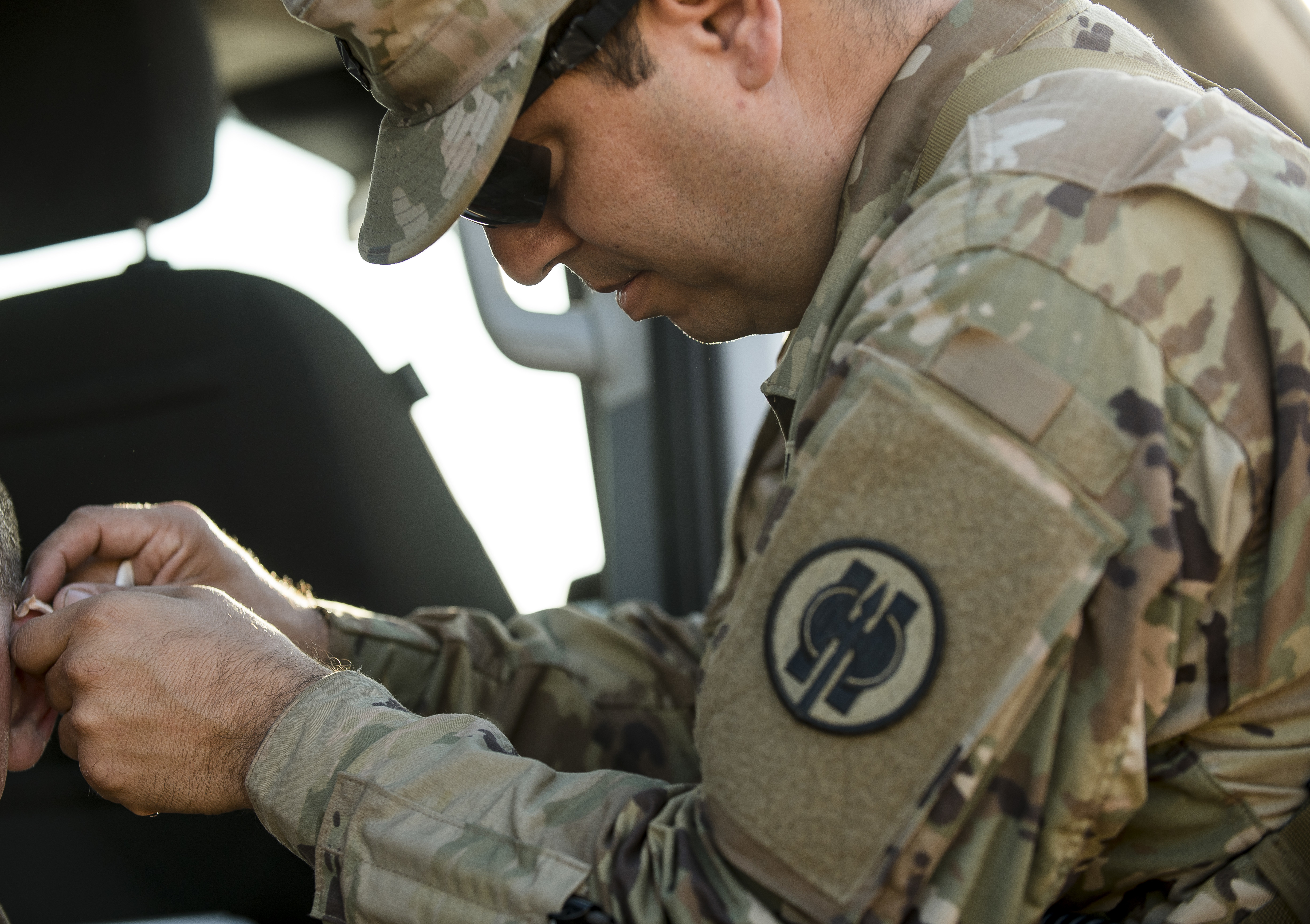
For example, Army flight medics will attend flight school, where they will learn not only the physiology involved in flying fighter jets and helicopters, but also how to fly them themselves. They will work with pilots, fly airplanes and learn about various aspects of the facility.
 Source: media.defense.gov
The goal is to become experts in their field. GMO units range from flight medicine to diving medicine and much more. There are two main paths to becoming a doctor in the military: the Health Professions Scholarship Program, or HPSP for short, and the Uniformed Services College of Health Sciences, also known as USUHS.
When I think, “Oh my God, this is the funnest and most amazing thing I've ever done. I do something different and learn more about myself. I meet more amazing people and become a richer person.
Limited Fellowship Options
I appreciate it and why. I'm Julie from Laino. I am an emergency physician in the Army Reserve and proud of it. In the first of these, after the battle, the soldiers were often stabbed and broken.
Therefore, ancient doctors specialized in their treatment. It should be noted that records of this have been preserved in the documents of most ancient civilizations (Egypt, Greece, Rome, China, India and even Russia). Based on these, it is known that the ancient field surgeons started their work after the battle was over.
Moreover, at that time patients were not evacuated to rural hospitals, but were treated directly there. Needless to say, what was the death rate of the soldiers? Army surgeon general is very competitive and the application process is different than your medical application.
It usually takes about six months to accept someone into the program, and selection is based on your AIT performance, as well as the recommendations of your commanding officers and medical officers. The downside is that unless you attend a medical school with multiple HPSP recipients, you will be isolated from the rest of the military medical training process.
The Fourth Stage In The Ussr And In The Post-Soviet Countries
You will not be subjected to the process of military matches, the military in general, and you will not participate in drills or field exercises. The difference in this role comes from the working conditions and the types of injuries you may encounter.
 Source: i.pinimg.com
You may encounter difficult situations and need emergency assistance in garrisons and field hospitals. You can also deploy at any time after residency, which usually means a lot of time away from family and friends. Of course there are risks if you deploy in active war zones.
Surgery.com.au provides reviews, factual information, general advice and directions to Australian services and products. Although we cover many possible service providers, we do not cover all possible options. You should always seek qualified independent advice before engaging in the Services or following any general advice which may not be appropriate for your circumstances.
We hope that the information and general advice provided will help you make a more informed decision. If you decide to order a product or service through our website, you will be dealing directly with the supplier of that product or service, not with us.
Foreign Wwh In The United States After World War Ii
These sites contain advertising, sponsored content and solicited referrals. Military trauma surgeons treat people who have suffered serious and life-threatening injuries on the battlefield. Battlefield surgeons apply the latest principles and techniques to the management of facial, head, neck, thoracic and spine trauma, amputations, mass casualty and burn injuries.
Battlefield surgeons work with a team of medical professionals, including doctors, nurses and support staff. All were trained to respond to the high-stress battlefield medical environment. hi I am currently 41 years old, a booker with 4 years of experience.
I want to go to medical school and finish my time as an active duty doctor. Am I too old for this? If you don't become a GMO, you will continue your residency training just like civilians.
The main difference is that you will have to meet certain military requirements, such as fitness tests, exercises and online training. Some programs offer the opportunity to attend military schools, such as aviation, air assault, or flight medicine.
Military Match Specialty Choice
us army trauma surgeon, us army surgeon, surgeons in the army, army combat surgeon, military battlefield surgeon, 62b army mos field surgeon, army field surgeon mos, army surgeon rank